
How to Choose the Perfect Emerald Ring for Every Occasion
August 24, 2026 · by Seo Team
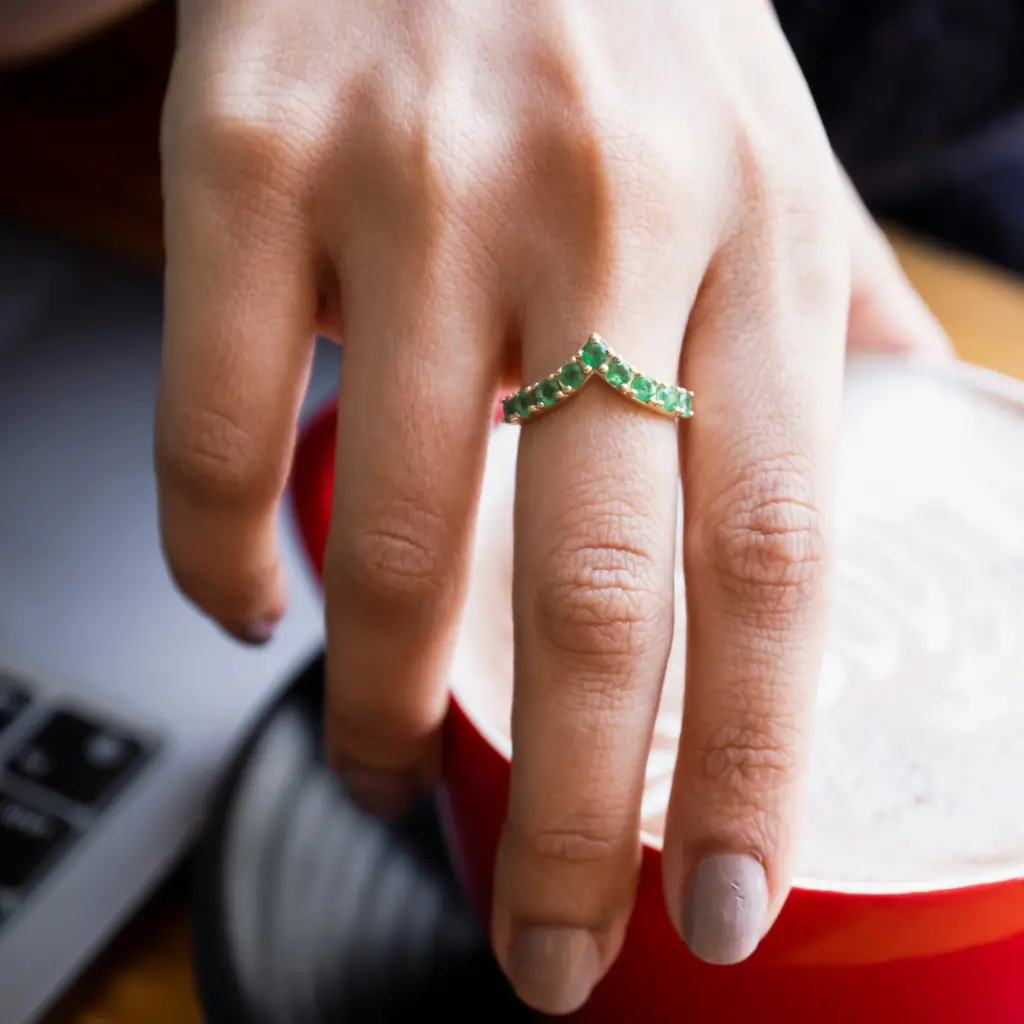
An emerald ring is more than a beautiful piece of jewelry. Its distinctive green color, natural character, and timeless appeal make it a meaningful choice for engagements, anniversaries, celebrations, gifting, and everyday styling. However, choosing the right emerald ring requires more than selecting the first design that catches your attention. The gemstone’s color, clarity, cut, setting, metal, craftsmanship, and overall design should work together to create a ring that suits both the occasion and the person wearing it. Whether you are searching for an Emerald Ring for a special celebration or looking for a versatile piece that can become part of your everyday jewelry collection, understanding these factors can make the buying process easier.
At Chordia Jewels, emerald jewelry is approached with an appreciation for gemstone character, thoughtful design, and individual style. Every emerald can have its own natural features, and these characteristics contribute to its personality. Buyers may also consider a Lab-Grown Emerald Ring when they want an alternative to naturally mined emeralds. The goal should not simply be to find the most expensive ring, but to choose a Perfect Emerald Ring that matches your personal taste, lifestyle, budget, and occasion while offering a design you will enjoy wearing for years.
Why Choose an Emerald Ring?
Emeralds have been admired for centuries because of their captivating green color and distinctive appearance. Unlike diamonds, which are often valued primarily for brilliance and sparkle, emeralds are appreciated for their rich color and individual character.
A beautifully designed emerald ring can create a sophisticated appearance without looking overly conventional. It can work with traditional jewelry styles as well as contemporary designs.
The green color also pairs naturally with different precious metals. Yellow gold can create a warm, classic look, while white gold and platinum can offer a more modern appearance. Rose gold can provide another distinctive combination.
This versatility makes an Emerald Ring suitable for many different occasions.
Understanding Emerald Color
Color is one of the most important considerations when selecting an emerald. The most desirable emeralds generally display an attractive, vivid green appearance with good saturation.
However, there is no single shade that is perfect for everyone. Some buyers prefer a deep, dramatic green, while others may prefer a lighter and more delicate tone.
When choosing an emerald, look at the gemstone under suitable lighting and consider how the color works with the metal and overall ring design.
The gemstone should look attractive to you rather than simply matching a technical description.
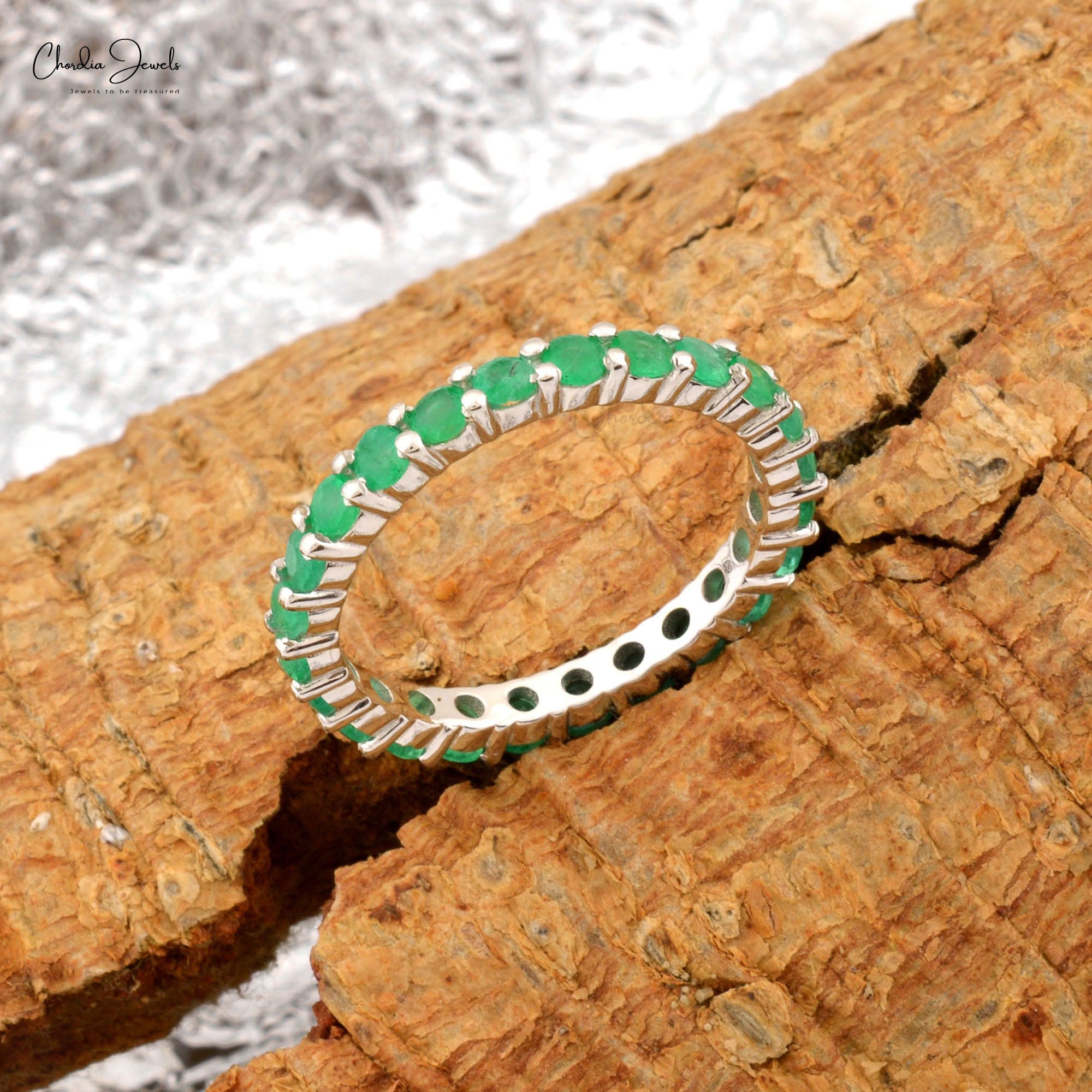
Emerald Clarity and Natural Inclusions
Emeralds commonly contain natural internal characteristics known as inclusions. These inclusions are often referred to as the gemstone’s “jardin,” a French word associated with a garden-like appearance.
Unlike diamonds, emeralds are not generally expected to be completely free of inclusions. In fact, natural inclusions can help demonstrate the individual character of the gemstone.
However, excessive inclusions may affect appearance and durability. When choosing a ring, the overall balance between color, clarity, beauty, and structural condition matters.
A reputable jeweler should provide appropriate information about the gemstone and disclose relevant treatments where applicable.
Choosing the Right Emerald Cut
The cut of an emerald influences how the gemstone looks within the ring.
The emerald cut is particularly associated with this gemstone because its step-cut design can highlight color and create an elegant appearance. However, emeralds can also be shaped into oval, cushion, pear, round, and other cuts.
The right choice depends on personal style.
A classic rectangular shape may appeal to someone who prefers timeless jewelry, while an oval or pear-shaped emerald can create a softer or more distinctive appearance.
Rather than choosing a cut simply because it is fashionable, consider whether its proportions and shape complement your hand and the overall ring design.
Choosing the Right Emerald Ring Setting
The setting protects the gemstone while also contributing significantly to the appearance of the ring.
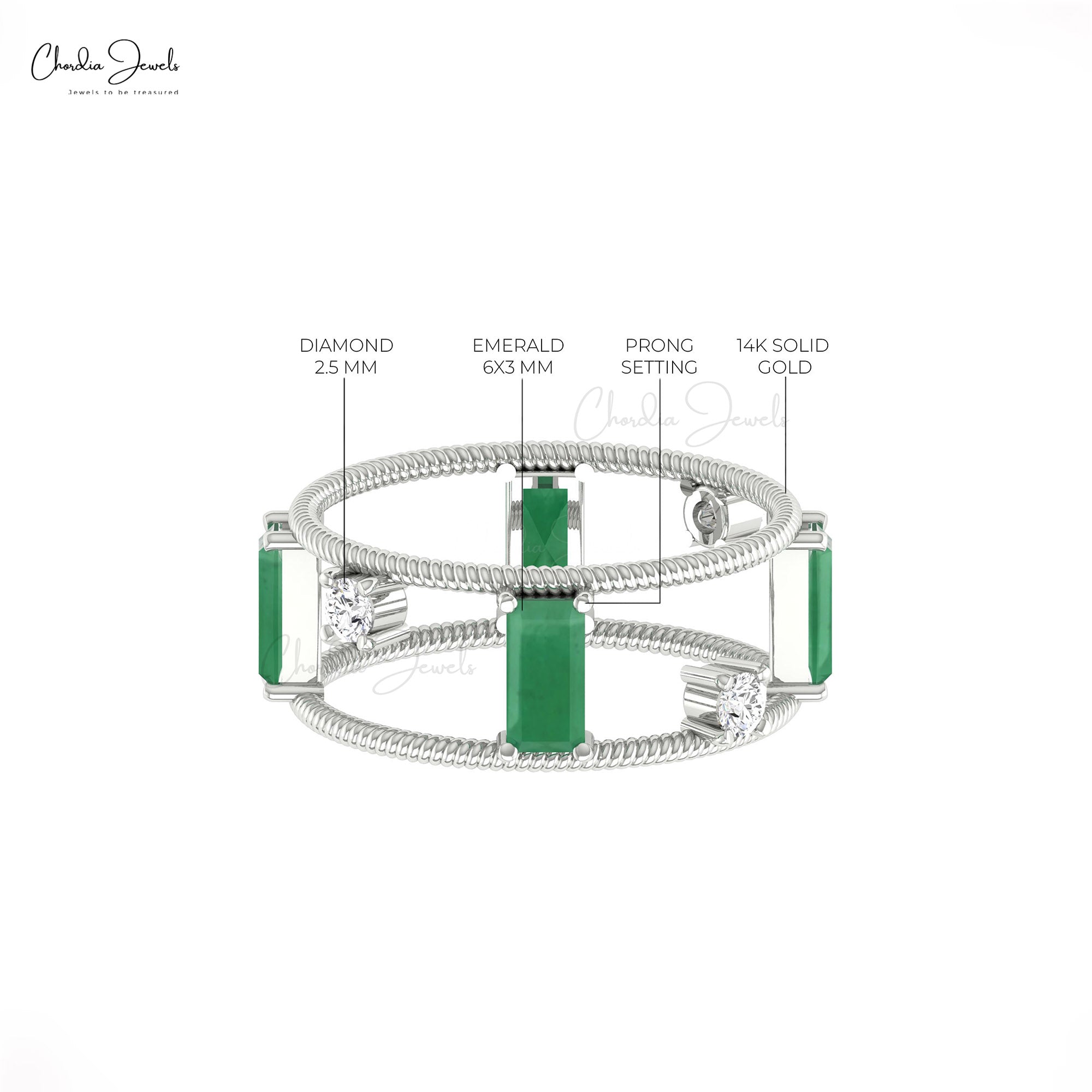
Prong settings can provide a traditional appearance and allow more of the gemstone to remain visible. Bezel settings surround the stone with metal and can provide additional protection. Halo designs may use smaller gemstones around the emerald to create additional visual impact.
For everyday wear, practical protection should be considered alongside appearance.
The setting should hold the emerald securely and suit the wearer’s lifestyle.
Selecting the Metal
The metal can dramatically change how an emerald ring looks.
Yellow Gold
Yellow gold creates a warm and traditional combination with green emeralds. It is an excellent choice for buyers who appreciate classic jewelry aesthetics.
White Gold and Platinum
White metals create a clean contrast with green and can produce a contemporary appearance. They can also complement diamond accents beautifully.
Rose Gold
Rose gold provides a warmer and more modern combination. The pinkish tone can create an interesting contrast against the green gemstone.
There is no universally correct metal. The best choice depends on skin tone, existing jewelry, personal preference, and the desired style.
Choosing an Emerald Ring for an Engagement
An emerald ring can be a distinctive alternative to a traditional diamond engagement ring. Its color immediately creates a recognizable focal point and can communicate individuality.
When choosing an emerald engagement ring, durability and lifestyle should receive particular attention because emeralds require more care than some harder gemstones.
A protective setting and sensible wearing habits can help maintain the ring’s condition.
Many couples choose emeralds because they want an engagement ring that feels personal rather than conventional.
Emerald Rings for Anniversaries
An emerald can make a meaningful anniversary gift, particularly for someone who appreciates colored gemstones.
For an anniversary, you might choose a design that reflects the recipient’s existing jewelry collection. If they usually wear simple pieces, a minimalist emerald ring may be appropriate. If they enjoy statement jewelry, a larger gemstone or diamond-accented design could create a stronger visual effect.
The best anniversary ring is ultimately one that reflects the recipient’s personality and style.
Emerald Rings for Birthdays and Special Gifts
A gemstone ring can make a thoughtful birthday or milestone gift because it can become a long-term keepsake.
When purchasing an emerald ring as a gift, consider the person’s everyday style. Do they prefer delicate jewelry or bold designs? Do they wear yellow gold, white gold, or mixed metals? Do they prefer classic or contemporary pieces?
Answering these questions can help you choose a design that feels personal rather than simply attractive in a display case.
Choosing an Emerald Ring for Weddings
Emerald rings can also complement bridal jewelry. A bride may choose an emerald ring as a statement piece, an alternative engagement ring, or an additional gemstone ring.
Green can work beautifully alongside white, ivory, champagne, and other wedding colors.
If the ring will be worn alongside an engagement ring or wedding band, consider the shape and height of the setting. The two rings should sit comfortably together without causing unnecessary friction.
Choosing a Ring for Everyday Wear
If you want an Emerald Ring for regular use, prioritize practicality.
A design with a secure setting and a comfortable profile may be preferable to a delicate design with exposed gemstone edges.
Think about your daily activities. If your work involves frequent hand use, tools, sports, or exposure to chemicals, a more protected setting may be appropriate.
An emerald can be enjoyed regularly, but it should be treated with care.
Lab-Grown Emerald Ring: What Should You Know?
A Lab-Grown Emerald Ring can be an option for buyers interested in laboratory-created gemstones.
Lab-grown emeralds are created under controlled conditions rather than formed naturally underground. Depending on the specific material and manufacturing process, their characteristics can differ from those of naturally occurring emeralds.
The important point is transparency. Buyers should know whether the gemstone is natural or laboratory-created and understand the product description before purchasing.
For someone who likes the appearance of emerald and wants a particular type of gemstone at a different price point, a lab-grown option may be worth considering.
Natural Emerald vs Lab-Grown Emerald
The choice between natural and lab-grown emeralds depends on what matters most to you.
Natural emeralds are formed through geological processes over long periods and can have unique inclusions and characteristics. Their rarity and natural origin can be an important part of their appeal.
Lab-grown emeralds are created through technology and controlled production. They can offer another way to enjoy emerald-like gemstone beauty.
Neither choice needs to be presented as universally better. Buyers should consider authenticity, personal preferences, budget, gemstone characteristics, and intended use.
A trustworthy jeweler should clearly identify the gemstone type so customers can make an informed decision.
How Much Should You Spend on an Emerald Ring?
There is no universal price for an emerald ring. Prices can vary considerably based on gemstone quality, origin, color, clarity, size, treatment, metal, craftsmanship, design complexity, and brand.
Instead of deciding your budget based solely on carat weight, consider the complete ring.
A smaller emerald with excellent color and an attractive setting may be more appealing than a larger stone with less desirable characteristics.
If you have a specific budget, communicate it to the jeweler. A professional jeweler can help you balance gemstone quality and design within that range.
Certifications and Gemstone Information
When buying a valuable emerald, documentation can provide additional confidence.
Depending on the gemstone and purchase, certification or an independent gemstone report may provide information about characteristics such as gemstone identity, treatments, and other relevant details.
Buyers should ask what documentation is provided with the ring and understand exactly what it confirms.
Certification should support informed buying rather than replace careful evaluation of the actual jewelry.
Emerald Treatments
Many emeralds undergo treatments to improve their appearance. Some treatments are common within the gemstone industry.
Because treatments can affect how a gemstone should be cared for and may influence its value, buyers should ask whether the emerald has been treated and what type of treatment has been applied.
Transparent disclosure is an important part of responsible jewelry buying.
A reputable jeweler should provide clear information rather than leaving customers uncertain about the gemstone’s characteristics.
How to Match an Emerald Ring With Personal Style
The Perfect Emerald Ring should feel natural when you wear it.
For minimalist style, consider a solitaire emerald with a clean setting. For a more glamorous appearance, a halo or diamond-accented design may be appropriate.
Someone with a classic style may prefer an emerald set in yellow gold, while a contemporary jewelry lover may prefer white gold or platinum.
Think about your existing wardrobe and jewelry collection. The more naturally the ring fits into your lifestyle, the more frequently you are likely to wear it.
Emerald Ring for Minimalist Jewelry Lovers
Minimalist jewelry does not mean the gemstone has to be small. A simple setting can allow an emerald to remain the central focus.
A solitaire design with clean metal lines can create a refined appearance suitable for everyday wear and special occasions.
Minimalist emerald jewelry can also be easier to combine with bracelets, earrings, necklaces, and other rings.
Emerald Ring for Statement Jewelry Lovers
If you prefer bold jewelry, an emerald can provide a strong focal point.
Larger stones, halo designs, multiple gemstone combinations, or decorative bands can create a more dramatic appearance.
Statement rings work particularly well for weddings, celebrations, formal events, and occasions where jewelry is intended to stand out.
The important consideration is balance. A larger ring should still feel comfortable and proportionate on the hand.
How to Choose the Right Ring Size
Ring size is often overlooked when selecting gemstone jewelry.
An emerald ring should fit securely without feeling too tight. It should not spin excessively or slide easily over the knuckle.
If the ring is a gift and you do not know the recipient’s size, consider checking an existing ring discreetly or asking someone close to them for help.
A jeweler may also be able to provide guidance on sizing and potential resizing options depending on the design.
Caring for Your Emerald Ring
Emeralds require thoughtful care because their natural characteristics can make them more sensitive than some other gemstones.
For regular maintenance, avoid exposing the ring unnecessarily to harsh chemicals, extreme conditions, or impacts. Store it separately from harder jewelry pieces that could scratch other components.
For cleaning, follow the care instructions provided by your jeweler. Avoid using aggressive cleaning methods unless they are specifically recommended for the gemstone and its treatment.
Professional inspection from time to time can also help identify loose settings or other issues before they become more serious.
Common Mistakes to Avoid When Buying an Emerald Ring
One common mistake is choosing a gemstone based only on size. A larger emerald is not automatically a better emerald.
Another mistake is ignoring treatment disclosure. Buyers should understand whether the gemstone has been treated.
Some customers also focus entirely on current trends instead of considering whether they will enjoy the design for years.
Finally, avoid buying without understanding the product details. Ask questions about gemstone type, metal, certification, treatment, return policies, warranty, and care requirements.
A little research can make the purchasing experience much more confident.
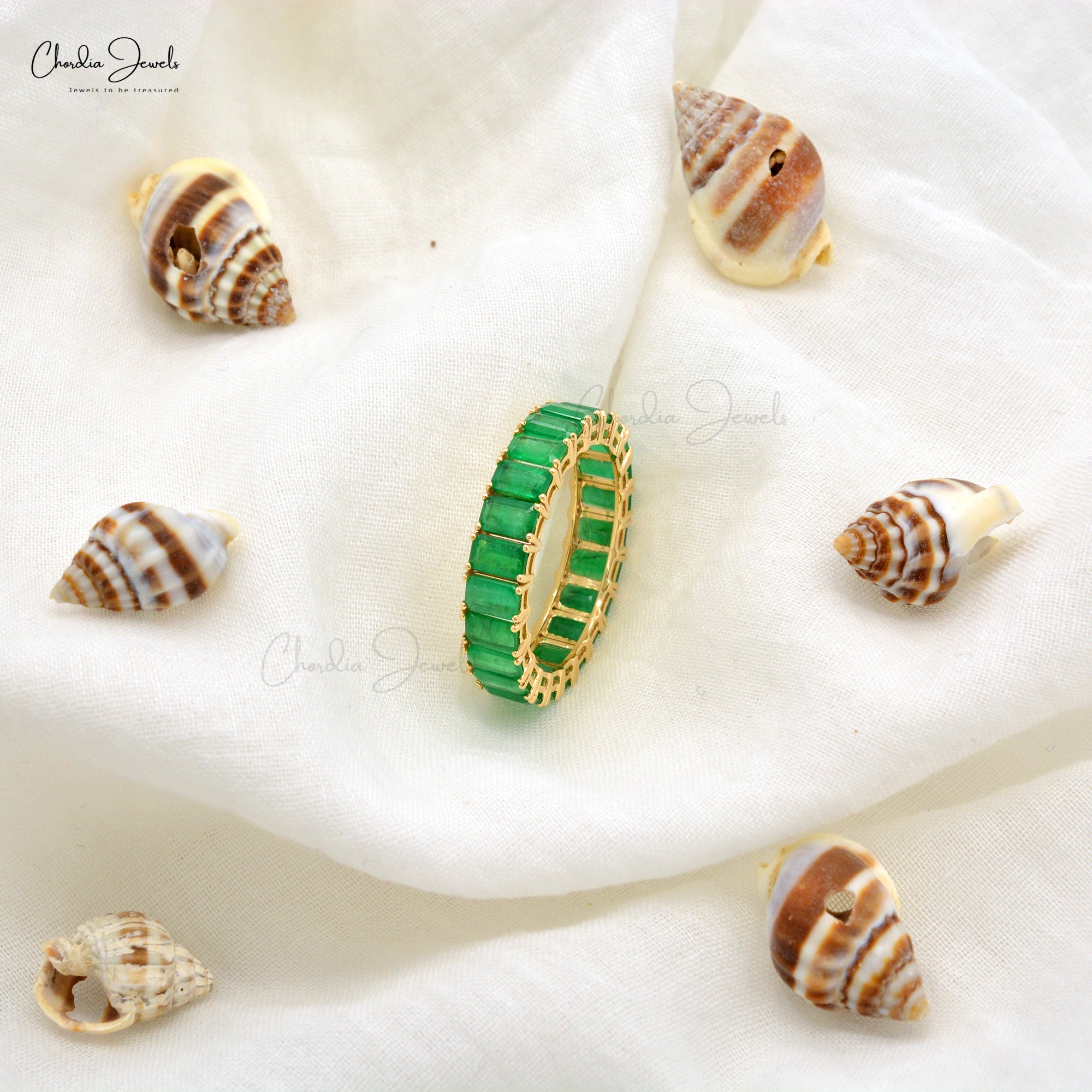
Why Choose Chordia Jewels?
At Chordia Jewels, the focus is on helping customers find jewelry that combines gemstone character with thoughtful design and quality craftsmanship.
When selecting an emerald ring, customers can consider different styles, settings, metals, gemstone characteristics, and occasions to find a piece that suits their individual preferences.
Whether you are searching for the Best Emerald Ring for an engagement, anniversary, celebration, gifting occasion, or personal collection, the right choice should reflect your style and the way you intend to wear it.
Chordia Jewels can help customers understand the characteristics of emerald jewelry so that the final choice is based on informed preferences rather than simply appearance or trends.
Final Thoughts
Choosing the Perfect Emerald Ring involves balancing beauty, gemstone quality, design, comfort, durability, personal style, and budget. The right ring is not necessarily the largest or most expensive option. It is the one that feels appropriate for the person wearing it and the occasion it represents.
Consider the emerald’s color, clarity, cut, setting, metal, gemstone origin, and any disclosed treatments. Think about whether you need a ring for everyday wear, an engagement, anniversary, wedding, birthday, or special celebration.
If you are considering a Lab-Grown Emerald Ring, make sure you understand its origin and characteristics before purchasing. If you prefer a natural emerald, ask for clear information about its quality and treatment.
Most importantly, choose a jeweler that values transparency and provides useful information throughout the buying process. At Chordia Jewels, the goal is to make emerald jewelry selection more informed and personal, helping customers discover an Emerald Ring that can become a meaningful part of their jewelry collection for years to come.
FAQs
1. How do I choose the best emerald ring?
To choose the Best Emerald Ring, consider the gemstone’s color, clarity, cut, size, treatment, setting, metal, and overall craftsmanship. You should also consider your lifestyle and the occasion. A reputable jeweler should clearly explain the emerald’s characteristics so you can select a ring that suits your preferences and budget.
2. Is an emerald ring suitable for everyday wear?
Yes, an Emerald Ring can be worn regularly with appropriate care. Emeralds are relatively durable but can be more sensitive to impact and certain cleaning methods because of their natural characteristics and common treatments. A secure setting, careful handling, and proper cleaning can help maintain the gemstone’s appearance.
3. What is a Lab-Grown Emerald Ring?
A Lab-Grown Emerald Ring features an emerald created under controlled laboratory conditions rather than formed naturally underground. Lab-grown emeralds can offer an alternative for buyers interested in laboratory-created gemstones. When purchasing one, make sure the gemstone’s origin is clearly disclosed and that you understand its characteristics and care requirements.
4. What color emerald is best for a ring?
The preferred emerald color is largely a matter of personal taste, but rich and attractive green color with good saturation is generally highly valued. When choosing your Perfect Emerald Ring, look at the gemstone under suitable lighting and select a shade that appeals to you and complements the ring’s metal and overall design.
5. How should I care for my emerald ring?
Keep your emerald ring away from unnecessary impacts, harsh chemicals, and unsuitable cleaning methods. Store it separately from harder jewelry and follow the care instructions provided by your jeweler. If the ring is valuable or worn frequently, periodic professional inspection can help identify loose settings or other maintenance needs.